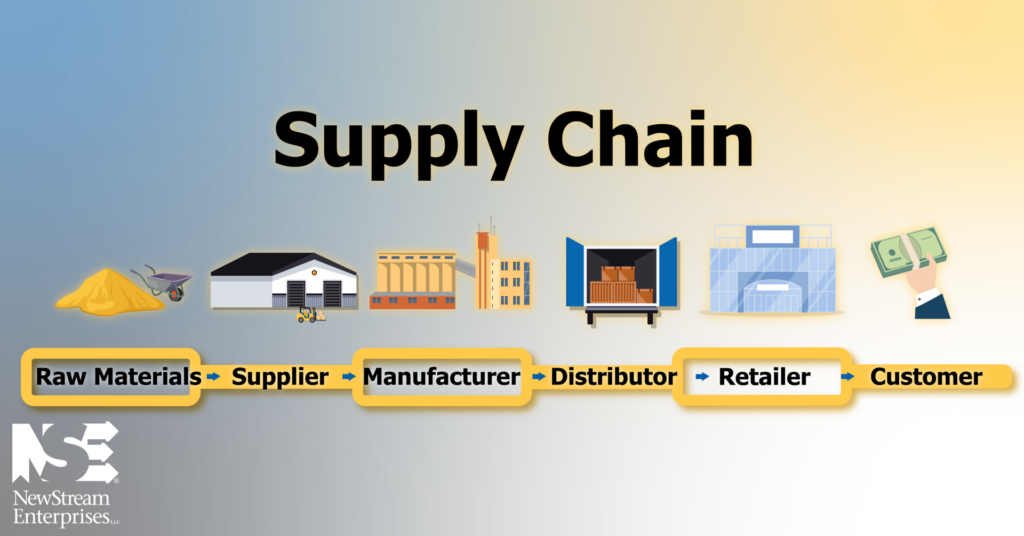
In the ever-evolving landscape of global trade and commerce, supply chains serve as the backbone of economic activity. They connect producers, manufacturers, distributors, and consumers, orchestrating a complex ballet of logistics that fuels industries worldwide. However, traditional supply chains face numerous challenges, including lack of transparency, inefficiencies, and susceptibility to fraud. Enter blockchain technology, a revolutionary force poised to transform supply chains as we know them. This article delves into how blockchain is redefining supply chains, addressing existing issues, and ushering in a new era of efficiency and transparency.
The Challenges of Traditional Supply Chains
Supply chains are intricate networks with numerous stakeholders involved at various stages of product development and distribution. This complexity often leads to several challenges, such as:
- Lack of Transparency: Traditional supply chains suffer from opaque processes where the provenance of goods is often unclear. This lack of visibility can result in unethical practices, such as counterfeiting and exploitation.
- Inefficiencies: Manual record-keeping and paper-based systems lead to inefficiencies, delays, and increased costs in the supply chain. Errors in documentation can cause significant disruptions.
- Fraud and Counterfeiting: With limited traceability, supply chains are vulnerable to fraudulent activities such as counterfeiting, which can damage brand reputation and consumer trust.
- Limited Traceability: Tracking the origin and journey of products is challenging in traditional supply chains, making it difficult to ensure quality and compliance with regulations.
The Role of Blockchain in Supply Chain Transformation
Blockchain technology, initially developed as the underlying infrastructure for cryptocurrencies like Bitcoin, has expanded its horizons to various industries, including supply chain management. Its decentralized, transparent, and immutable nature makes it an ideal solution to address the challenges faced by traditional supply chains.
Enhanced Transparency and Traceability
Blockchain’s most significant contribution to supply chains is its ability to enhance transparency and traceability. By recording every transaction on an immutable ledger, blockchain allows stakeholders to track the origin and journey of products from raw materials to the end consumer. This transparency not only ensures authenticity but also helps identify bottlenecks and inefficiencies in the supply chain.
Improved Efficiency and Cost Reduction
Blockchain automates many manual processes, such as record-keeping and verification, reducing the risk of errors and fraud. Smart contracts, self-executing contracts with the terms of the agreement directly written into code, enable automated payments and streamline business operations. This automation leads to reduced administrative costs and faster transaction times, enhancing overall supply chain efficiency.
Combatting Fraud and Counterfeiting
With blockchain’s immutable record-keeping, the authenticity of products can be verified at every stage of the supply chain. This feature is particularly valuable in industries like pharmaceuticals, luxury goods, and food, where counterfeiting can have severe consequences. By providing consumers with verifiable data on product origins and quality, blockchain helps build trust and combat fraud.
Streamlining Compliance and Regulations
Compliance with industry standards and regulations is a significant concern for supply chains, especially in sectors like food and pharmaceuticals. Blockchain technology facilitates real-time auditing and verification, ensuring that products meet regulatory requirements. This streamlining of compliance processes reduces the risk of non-compliance and associated penalties.
Real-World Applications of Blockchain in Supply Chains
Several industries have already begun leveraging blockchain to revolutionize their supply chains. Here are some notable examples:
Food and Agriculture
The food industry is heavily reliant on supply chain transparency to ensure food safety and quality. Companies like IBM Food Trust are using blockchain to provide end-to-end traceability of food products. By scanning QR codes on packaging, consumers can access detailed information about the product’s journey, from farm to table. This transparency helps prevent foodborne illnesses and boosts consumer confidence.
Pharmaceuticals
The pharmaceutical industry faces significant challenges in preventing counterfeit drugs from entering the market. Blockchain provides a secure and transparent way to track the production and distribution of medications. Companies like MediLedger are using blockchain to create a trusted network for drug traceability, ensuring that patients receive authentic and safe medications.
Fashion and Luxury Goods
Counterfeiting is a pervasive issue in the fashion and luxury goods industry. Blockchain is being used to authenticate products and ensure their provenance. Brands like LVMH and Prada are implementing blockchain solutions to give customers confidence in the authenticity of their purchases, protecting brand integrity.
Logistics and Shipping
The logistics and shipping industry is exploring blockchain to optimize operations and reduce inefficiencies. Companies like Maersk and IBM have developed TradeLens, a blockchain-based platform that enhances supply chain visibility and reduces administrative costs by digitizing and automating documentation processes.
Challenges and Considerations
While blockchain holds immense promise for supply chains, it is not without challenges. Implementing blockchain solutions requires significant investment in technology infrastructure and a willingness to adapt to new processes. Additionally, interoperability between blockchain networks and existing systems remains a challenge that must be addressed to ensure seamless integration.
The Future of Blockchain in Supply Chains
The future of supply chains is undeniably intertwined with blockchain technology. As more industries recognize the benefits of blockchain, adoption is expected to grow. The development of consortiums and industry-specific standards will facilitate collaboration and drive blockchain integration across supply chains globally. Additionally, advancements in privacy-preserving technologies, such as zero-knowledge proofs, will address concerns related to data privacy and confidentiality.
Conclusion
Blockchain technology is revolutionizing supply chains by addressing longstanding challenges related to transparency, efficiency, and fraud. Its impact is already being felt across various industries, from food and pharmaceuticals to fashion and logistics. As blockchain adoption continues to grow, supply chains will become more resilient, transparent, and efficient, ultimately benefiting businesses and consumers alike. Embracing blockchain is not merely a technological upgrade but a strategic imperative for companies seeking to thrive in an increasingly interconnected and competitive world.