The world of cryptocurrencies is a fast-paced, volatile environment that offers the potential for significant profits. While long-term investing in cryptocurrencies has its merits, many traders are drawn to the allure of short-term trading. This strategy allows traders to capitalize on the rapid price fluctuations inherent in the crypto markets. In this article, we will explore the essentials of mastering short-term crypto trading for quick profits, covering everything from understanding market dynamics to executing effective trading strategies.
Understanding the Crypto Market Dynamics
Before diving into short-term trading, it’s crucial to have a comprehensive understanding of the crypto market dynamics. Cryptocurrencies are influenced by a variety of factors, including market sentiment, regulatory news, technological developments, and macroeconomic trends. Unlike traditional markets, the crypto market operates 24/7, adding to its unpredictability and providing ample opportunities for short-term traders.
Volatility
Volatility is a defining characteristic of the crypto market. Price swings can occur within minutes, making it both a risk and an opportunity for traders. Understanding volatility and how to navigate it is essential for short-term trading success.
Liquidity
Liquidity refers to how easily an asset can be bought or sold without affecting its price. In the crypto market, liquidity varies significantly between different coins and exchanges. High liquidity is preferable for short-term traders as it allows for faster transactions and reduced slippage.
Essential Tools for Short-Term Trading
To master short-term crypto trading, traders must equip themselves with the right tools and resources. These include trading platforms, analytical tools, and reliable information sources.
Trading Platforms
Choosing the right trading platform is crucial. A good platform should offer a user-friendly interface, low transaction fees, high liquidity, and robust security measures. Popular platforms like Binance, Coinbase Pro, and Kraken are favored by many short-term traders for their comprehensive features.
Technical Analysis Tools
Technical analysis is the backbone of short-term trading. Traders use various tools and indicators to analyze price charts and predict future movements. Essential technical analysis tools include:
– **Candlestick Patterns**: Visual representations of price movements that help traders identify potential reversals and continuations.
– **Moving Averages**: Indicators that smooth out price data to identify trends over specific periods.
– **Relative Strength Index (RSI)**: A momentum oscillator that measures the speed and change of price movements.
– **Bollinger Bands**: A volatility indicator that consists of a moving average and two standard deviation lines.
News and Information Sources
Staying informed about the latest news and developments in the crypto space is vital for short-term traders. Price movements can be heavily influenced by news events, such as regulatory announcements or technological advancements. Following reputable crypto news sites, social media channels, and community forums can provide valuable insights.
Strategies for Short-Term Crypto Trading
Short-term trading requires well-thought-out strategies to effectively capitalize on market movements. Let’s explore some popular strategies used by short-term crypto traders.
Scalping
Scalping is a high-frequency trading strategy that involves making multiple trades throughout the day to capture small price movements. Scalpers aim to profit from the bid-ask spread and short-term fluctuations. This strategy requires quick decision-making, discipline, and a keen understanding of technical indicators.
Day Trading
Day trading involves opening and closing positions within the same trading day. Day traders seek to exploit intraday price movements and aim to end the day with a profit. This strategy requires a solid understanding of technical analysis and the ability to react swiftly to market changes.
Range Trading
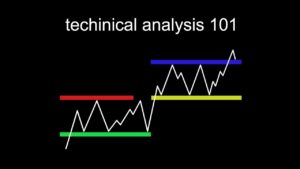
Range trading involves identifying price ranges within which a particular cryptocurrency typically trades. Traders buy at the lower end of the range and sell at the upper end. This strategy is effective in markets where prices are moving sideways rather than in a clear trend.
Momentum Trading
Momentum trading involves identifying and capitalizing on strong upward or downward trends. Traders using this strategy look for assets that are moving significantly in one direction with high volume and enter positions to ride the trend until it shows signs of reversal.
Risk Management in Short-Term Trading
Effective risk management is crucial for success in short-term trading. Without proper risk management, traders can quickly deplete their capital due to the inherent volatility of the crypto market.
Setting Stop-Loss Orders
Stop-loss orders are an essential tool for limiting potential losses. By setting a predefined exit point, traders can automatically close a position when the price reaches a certain level, protecting their capital from significant downturns.
Position Sizing
Position sizing involves determining the amount of capital to risk on a single trade. Traders should never risk more than they can afford to lose and should allocate their capital based on their risk tolerance and trading strategy.
Diversification
Diversifying investments across multiple cryptocurrencies can help mitigate risk. While diversification does not eliminate risk entirely, it can reduce the impact of a poor-performing asset on the overall portfolio.
Psychological Aspects of Short-Term Trading
The psychological aspect of trading is often underestimated but plays a crucial role in a trader’s success. Emotions such as fear, greed, and impatience can cloud judgment and lead to poor decision-making.
Discipline
Maintaining discipline is essential in short-term trading. Traders must adhere to their strategies and not deviate due to emotional impulses. Sticking to a well-defined trading plan helps avoid impulsive decisions.
Patience
Patience is a virtue in trading. Short-term traders must wait for the right opportunities and avoid chasing the market. Impulsive trades driven by impatience often lead to losses.
Emotional Control
Developing emotional control is crucial for managing stress and maintaining a clear mind during volatile market conditions. Traders must learn to accept losses as part of the process and not let emotions dictate their actions.
Conclusion
Mastering short-term crypto trading for quick profits requires a combination of knowledge, strategy, and discipline. By understanding market dynamics, utilizing essential tools, implementing effective strategies, and managing risk, traders can increase their chances of success in the fast-paced crypto market. However, it’s important to remember that short-term trading is not without its challenges and risks. Continuous learning, adapting to market conditions, and maintaining emotional discipline are key factors that separate successful traders from the rest. As with any investment, it’s crucial to trade responsibly and never invest more than you can afford to lose.