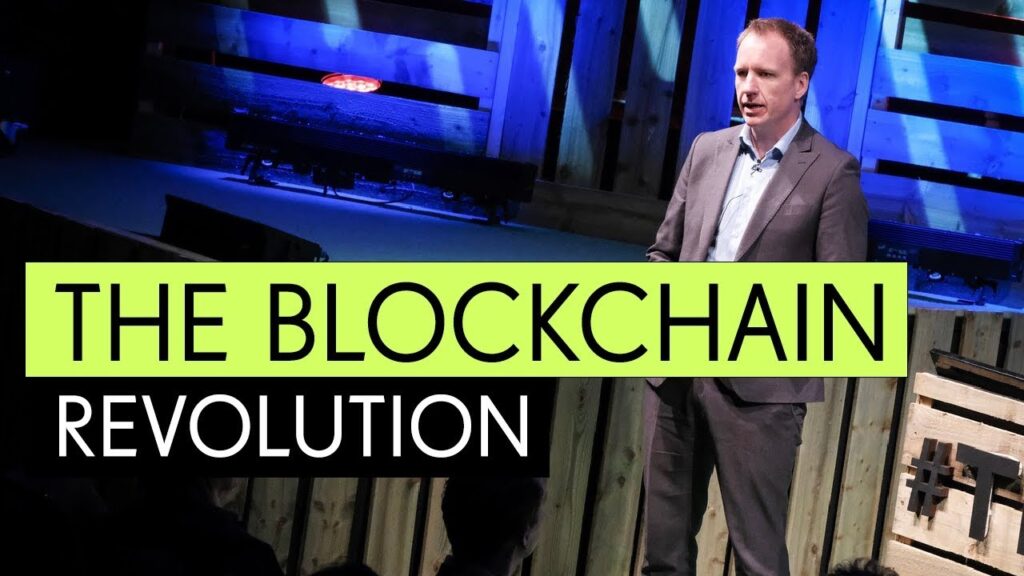
The blockchain revolution, initially ignited by the advent of Bitcoin in 2009, has steadily expanded beyond its cryptocurrency origins to encompass a wide array of applications and industries. As we delve deeper into the 21st century, blockchain technology continues to evolve, driving innovation across sectors by enhancing transparency, security, and efficiency. This article explores the latest innovations in blockchain technology and how they are reshaping the future.
Decentralized Finance (DeFi): Redefining Financial Services
Decentralized Finance, or DeFi, has emerged as a pivotal innovation in the blockchain space, democratizing access to financial services by eliminating intermediaries such as banks and brokers. DeFi platforms leverage smart contracts to automate financial transactions, offering services such as lending, borrowing, and trading. This not only reduces costs but also increases accessibility for users around the globe.
The Rise of Decentralized Exchanges (DEXs)
Decentralized exchanges are at the forefront of the DeFi movement, allowing users to trade cryptocurrencies directly with one another without relying on a central authority. Platforms like Uniswap, SushiSwap, and PancakeSwap have gained immense popularity due to their user-friendly interfaces and the ability to provide liquidity pools, which reward users for contributing their assets to the exchange.
Yield Farming and Liquidity Mining
Yield farming and liquidity mining are innovative practices that have captured the attention of crypto enthusiasts. Yield farming involves staking or lending crypto assets in DeFi protocols to earn returns, while liquidity mining incentivizes users to provide liquidity to a protocol in exchange for rewards. These practices have revolutionized the way users can earn passive income in the crypto space.
Non-Fungible Tokens (NFTs): The Intersection of Art and Technology
Non-Fungible Tokens, or NFTs, have taken the world by storm, representing unique digital assets verified on the blockchain. Unlike cryptocurrencies such as Bitcoin or Ethereum, NFTs are indivisible and have distinct properties, making them ideal for representing ownership of digital art, collectibles, and more.
The Art World Embraces NFTs
Artists and creators have found a new avenue for monetizing their work through NFTs. By minting their creations on blockchain platforms like Ethereum, artists can prove ownership and authenticity, while also reaching a global audience. Notable NFT sales, including Beeple’s “Everydays: The First 5000 Days,” which sold for $69 million at Christie’s, highlight the transformative potential of NFTs in the art world.
Beyond Art: NFTs in Gaming and Entertainment
NFTs are not limited to art; they are also making waves in the gaming and entertainment industries. Blockchain-based games like Axie Infinity and Decentraland leverage NFTs to allow players to own in-game assets, creating new economic models within virtual worlds. Additionally, musicians and filmmakers are exploring NFTs as a means to distribute and monetize their content directly, bypassing traditional intermediaries.
Supply Chain Management: Enhancing Transparency and Efficiency
Blockchain technology is revolutionizing supply chain management by providing an immutable and transparent ledger of transactions. This innovation addresses critical challenges such as counterfeiting, fraud, and inefficiencies, ultimately enhancing trust and accountability across supply chains.
Tracking and Traceability
By leveraging blockchain, companies can track products from their origin to the end consumer, ensuring authenticity and compliance with regulations. This is particularly beneficial in industries such as pharmaceuticals, where counterfeit drugs pose significant risks. Companies like IBM and Walmart are already using blockchain to enhance transparency and traceability in their supply chains.
Smart Contracts in Supply Chains
Smart contracts, self-executing contracts with the terms of the agreement directly written into code, are being used to automate transactions in supply chains. This reduces the need for intermediaries and minimizes the risk of human error. For example, a smart contract can automatically trigger payments once a shipment reaches its destination, streamlining the entire process.
Blockchain in Healthcare: Securing Data and Improving Patient Care
The healthcare industry is increasingly adopting blockchain technology to address critical issues related to data security, interoperability, and patient privacy. By leveraging decentralized networks, healthcare providers can securely store and share patient data, enhancing collaboration and improving patient outcomes.
Secure Patient Data Management
Blockchain’s immutable nature ensures that patient data remains secure and tamper-proof. This is crucial in preventing data breaches and ensuring that sensitive information is only accessible to authorized parties. Projects like MedRec and Healthereum are pioneering the use of blockchain to create secure and interoperable health records.
Enhancing Clinical Trials and Research
Blockchain technology is also being used to enhance the transparency and integrity of clinical trials. By recording trial data on a blockchain, researchers can ensure that data is accurate and unaltered, facilitating trust and collaboration among stakeholders. This is particularly valuable in accelerating the development of new treatments and therapies.
Blockchain and the Internet of Things (IoT): A Synergistic Combination
The integration of blockchain with the Internet of Things (IoT) is unlocking new possibilities for secure and efficient data exchange between connected devices. This synergy addresses key challenges related to data integrity, privacy, and security in IoT networks.
Decentralized IoT Networks
Blockchain enables the creation of decentralized IoT networks, where devices can securely communicate and share data without the need for a central authority. This reduces the risk of single points of failure and enhances the resilience of IoT systems. Projects like IOTA and Helium are at the forefront of developing blockchain-based IoT solutions.
Enhancing Data Security and Privacy
The use of blockchain in IoT networks enhances data security by providing an immutable record of all transactions. This ensures that data is tamper-proof and only accessible to authorized devices. Additionally, blockchain’s decentralized nature mitigates the risk of data breaches and unauthorized access.
Conclusion
The blockchain revolution continues to unfold, driving innovation across a multitude of industries and redefining the way we interact with technology. From transforming financial services through DeFi to revolutionizing art and entertainment with NFTs, blockchain technology is reshaping the future in profound ways. As we look ahead, the potential for blockchain to drive further innovation and create new opportunities is limitless, promising a future where technology and transparency go hand in hand.