Cryptocurrencies have become a significant part of the modern financial landscape, offering opportunities for substantial returns. However, the crypto market is notoriously volatile, and investors must navigate its unpredictable cycles to succeed. Understanding and mastering these market cycles is essential for maximizing profit and minimizing risk. In this article, we will delve into the intricacies of crypto market cycles and explore strategies to exploit them effectively.
Understanding Market Cycles
Market cycles are recurring phases of price movements that occur in financial markets. In the cryptocurrency market, these cycles are often more pronounced due to the market’s nascent nature and high volatility. A typical cycle consists of four stages: accumulation, uptrend, distribution, and downtrend. Each stage presents unique opportunities and challenges for investors.
Accumulation Phase
The accumulation phase occurs after a prolonged downtrend, when prices stabilize and begin to move sideways. During this stage, savvy investors recognize undervalued assets and start accumulating them. Trading volumes are usually low, and sentiment is bearish, making it an ideal time for accumulation. The key to success in this phase is patience and thorough research to identify promising projects that are poised for growth.
Uptrend Phase
Following accumulation, the market enters an uptrend phase characterized by rising prices and increasing investor optimism. This phase is marked by higher trading volumes and a positive shift in market sentiment. Investors who accumulated assets earlier can reap significant profits as prices rise. However, it is crucial to remain vigilant and avoid getting swept away by the euphoria. Setting clear profit targets and employing stop-loss strategies can help safeguard gains.
Distribution Phase
In the distribution phase, the market reaches a peak, and smart investors begin to offload their holdings. Prices may continue to rise, but upward momentum starts to weaken. This phase is often accompanied by high trading volumes and increased market volatility. Recognizing the signs of distribution is crucial to avoid being caught in the subsequent downtrend. Investors should consider taking profits and reallocating funds to more promising opportunities.
Downtrend Phase
The downtrend phase follows distribution and is characterized by declining prices and waning market enthusiasm. Panic selling often exacerbates the downturn, leading to further price drops. While this phase can be discouraging, it also presents opportunities for astute investors to identify undervalued assets and prepare for the next accumulation phase. Staying informed and maintaining a long-term perspective are vital during this stage.
Strategies for Mastering Market Cycles
Successfully navigating crypto market cycles requires a combination of technical analysis, fundamental analysis, and strategic planning. Here are some strategies to help investors master these cycles for maximum profit:
Technical Analysis
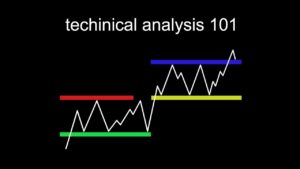
Technical analysis involves studying price charts and patterns to predict future price movements. By identifying key support and resistance levels, investors can make informed decisions about entry and exit points. Indicators such as moving averages, RSI (Relative Strength Index), and MACD (Moving Average Convergence Divergence) provide valuable insights into market trends. Developing a solid understanding of technical analysis is essential for timing trades effectively.
Fundamental Analysis
Fundamental analysis focuses on evaluating the intrinsic value of a cryptocurrency by examining factors such as the project’s team, technology, use case, and market demand. Conducting thorough research and staying informed about industry developments can help investors identify projects with strong growth potential. Combining fundamental analysis with technical analysis provides a comprehensive approach to understanding market cycles.
Risk Management
Effective risk management is crucial for navigating crypto market cycles. Investors should determine their risk tolerance and set appropriate stop-loss levels to limit potential losses. Diversification is another essential strategy, spreading investments across multiple assets to reduce risk exposure. Additionally, maintaining a disciplined approach and avoiding emotional decision-making can help investors stay focused on their long-term goals.
Dollar-Cost Averaging
Dollar-cost averaging (DCA) is a strategy that involves investing a fixed amount of money at regular intervals, regardless of market conditions. This approach reduces the impact of market volatility and allows investors to accumulate assets over time. DCA is particularly effective during the accumulation and downtrend phases, enabling investors to benefit from price fluctuations without trying to time the market perfectly.
Keeping Abreast of Market Sentiment
Understanding market sentiment is crucial for predicting potential market shifts. Sentiment analysis tools and social media monitoring can provide valuable insights into investor attitudes and potential trends. By staying informed about market sentiment, investors can make more informed decisions and anticipate changes in market cycles.
Conclusion
Mastering crypto market cycles is a challenging yet rewarding endeavor. By understanding the different phases of a market cycle and employing strategies such as technical and fundamental analysis, risk management, and dollar-cost averaging, investors can maximize their profits and minimize risks. Navigating the crypto market requires a disciplined approach, continuous learning, and adaptability to changing conditions. With patience and perseverance, investors can successfully exploit market cycles and achieve their financial goals.