Blockchain technology has revolutionized the way we think about data management, decentralization, and digital transactions. However, it faces a significant challenge: scalability. As blockchain networks grow in size and popularity, the demand for faster and more efficient transaction processing increases. Enter Layer 2 solutions, an innovative approach designed to enhance the scalability of blockchain networks without compromising their decentralized nature.
Understanding Blockchain Scalability
Scalability refers to a blockchain network’s ability to handle a growing number of transactions and nodes efficiently. The scalability trilemma, a term coined by Ethereum co-founder Vitalik Buterin, outlines the challenge of achieving scalability, decentralization, and security simultaneously. Most blockchains, especially those using proof-of-work consensus mechanisms like Bitcoin and Ethereum, face limitations in processing speed and transaction throughput.
As the number of users and transactions increase, these blockchains experience congestion, leading to slower transaction times and higher fees. To solve this issue, Layer 2 solutions are being developed to enhance the scalability of existing blockchain networks without altering their core protocols.
What is Layer 2?
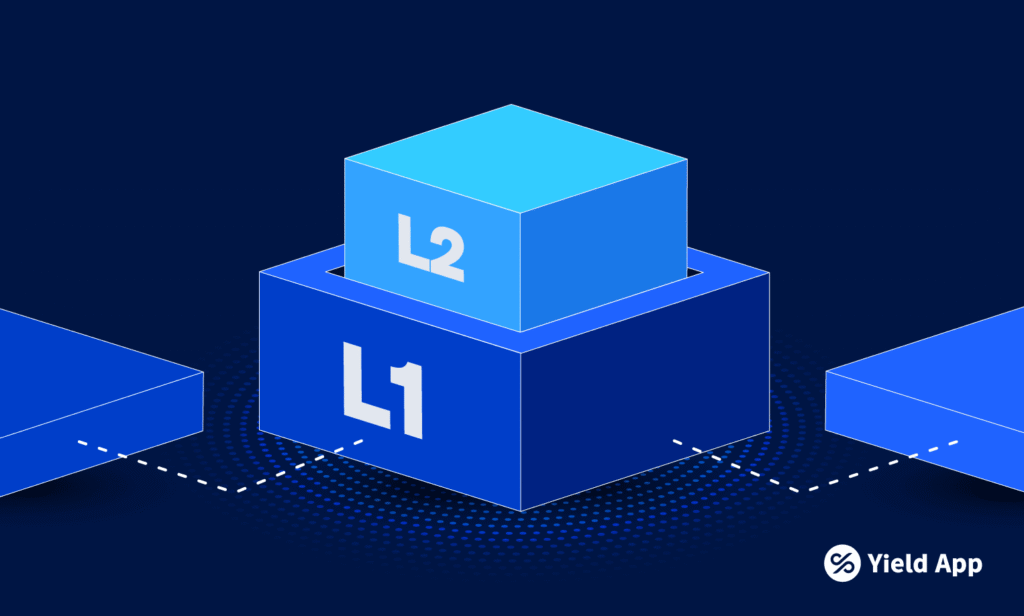
Layer 2 solutions are secondary frameworks or protocols built on top of existing blockchain networks. They function independently of the main blockchain, also known as Layer 1, and are designed to offload transactions from the main chain. By doing so, they increase the transaction throughput and reduce congestion on the main network.
Layer 2 solutions can take various forms, including state channels, sidechains, and rollups. Each approach has its unique way of processing transactions and providing scalability, while ensuring the security and decentralization of the main blockchain.
Types of Layer 2 Solutions
State Channels
State channels enable two or more participants to conduct transactions off-chain. They create a private channel where parties can transact directly with each other, only recording the initial and final states on the main blockchain. This approach significantly reduces the amount of data processed on-chain, leading to faster transactions and reduced fees. Popular examples of state channels include the Lightning Network for Bitcoin and Raiden Network for Ethereum.
Sidechains
Sidechains are separate blockchains that run parallel to the main blockchain. They are connected to the main chain through a two-way peg, allowing assets to be transferred between them. Sidechains can operate independently, with their own consensus mechanisms and rules, enabling them to process transactions more efficiently. The Liquid Network is an example of a sidechain developed for Bitcoin, providing faster transaction processing for institutional users.
Rollups
Rollups aggregate multiple transactions off-chain into a single transaction, which is then recorded on the main blockchain. They come in two main types: Optimistic Rollups and ZK-Rollups. Optimistic Rollups assume transactions are valid by default, with a challenge period for validation. ZK-Rollups, on the other hand, use zero-knowledge proofs to verify transactions without revealing their details. Both approaches offer significant scalability improvements and are gaining traction in the Ethereum ecosystem.
Benefits of Layer 2 Solutions
Layer 2 solutions provide numerous benefits that address the scalability challenges faced by blockchain networks:
- Increased Throughput: By offloading transactions from the main blockchain, Layer 2 solutions can handle a larger volume of transactions, significantly increasing throughput.
- Reduced Transaction Fees: As Layer 2 solutions process transactions more efficiently, users benefit from lower fees, making blockchain networks more accessible and cost-effective.
- Faster Transaction Times: With reduced congestion on the main chain, transactions are processed faster, improving the overall user experience.
- Enhanced Privacy: Some Layer 2 solutions, like state channels, offer improved privacy by conducting transactions off-chain and only recording the final state on the main blockchain.
- Maintained Security and Decentralization: Layer 2 solutions are designed to work in tandem with the main blockchain, preserving its security and decentralization while improving scalability.
Challenges and Considerations
Despite their benefits, Layer 2 solutions also present certain challenges and considerations:
- Complexity: Implementing Layer 2 solutions can be complex, requiring developers to navigate new technologies and integration processes.
- Security: While designed to maintain security, Layer 2 solutions introduce additional layers that could potentially be exploited if not properly secured.
- Interoperability: Ensuring seamless interoperability between Layer 1 and Layer 2 solutions is crucial to maintaining a cohesive blockchain ecosystem.
- User Adoption: Encouraging widespread adoption of Layer 2 solutions requires user education and incentives to transition from traditional Layer 1 transactions.
The Future of Layer 2 Solutions
As blockchain technology continues to evolve, Layer 2 solutions are poised to play a critical role in addressing scalability challenges. With ongoing research and development, these solutions are expected to become more robust, secure, and user-friendly. Blockchain networks like Ethereum are already incorporating Layer 2 solutions into their ecosystems, with projects such as Arbitrum, Optimism, and zkSync gaining traction.
Furthermore, the growing interest in decentralized finance (DeFi), non-fungible tokens (NFTs), and blockchain-based applications has underscored the need for scalable blockchain infrastructure. Layer 2 solutions are essential for accommodating this growth and ensuring that blockchain networks can meet the demands of a global user base.
Conclusion
Unlocking the potential of Layer 2 solutions is vital for the future of blockchain technology. By addressing scalability challenges, these solutions enable blockchain networks to process transactions more efficiently, reducing fees and improving user experience. While challenges remain, the ongoing development and adoption of Layer 2 solutions promise a more scalable, secure, and decentralized blockchain ecosystem. As the technology matures, we can expect Layer 2 solutions to play an increasingly important role in shaping the future of blockchain applications and digital innovation.