Blockchain technology, often synonymous with cryptocurrencies like Bitcoin, has piqued the interest of many due to its potential to revolutionize how we conduct transactions and manage data. Despite its complexity, understanding the basics of blockchain is not as daunting as it seems. This guide aims to demystify blockchain technology for beginners, explaining its fundamental principles, applications, and the impact it could have on various sectors.
What is Blockchain?
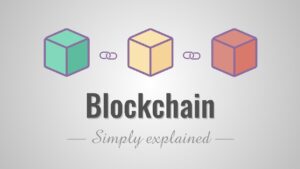
At its core, a blockchain is a decentralized digital ledger that records transactions across multiple computers in such a way that the registered transactions cannot be altered retroactively. This feature makes it incredibly secure and transparent. Each record, or “block,” is linked to the previous one, forming a “chain” of blocks, hence the name blockchain.
How Does Blockchain Work?
Every time a transaction occurs, it is broadcast to a network of computers, known as nodes. These nodes validate the transaction using a consensus mechanism, ensuring that all copies of the database are the same. Once validated, the transaction is added to a block. Each block contains a cryptographic hash of the previous block, a timestamp, and the transaction data. This structure ensures the integrity and chronological order of the blockchain.
Key Characteristics of Blockchain
Decentralization
Unlike traditional databases that are controlled by a central authority, blockchains are decentralized. This means no single entity has control, which reduces the risk of manipulation and enhances transparency and security.
Immutability
Once data is recorded on a blockchain, it is nearly impossible to change. This immutability feature ensures that the transaction history is accurate and reliable.
Transparency
All transactions on a blockchain are visible to all participants. This transparency fosters trust among users, as they can independently verify the integrity of the blockchain’s data.
Security
Blockchain uses advanced cryptographic techniques to secure data. The decentralized nature of blockchain, coupled with cryptographic security, makes it highly resistant to hacking and fraud.
Types of Blockchains
Public Blockchains
These are open to anyone and are commonly used for cryptocurrencies. Public blockchains are completely decentralized and use consensus mechanisms like Proof of Work (PoW) or Proof of Stake (PoS) to validate transactions.
Private Blockchains
Private blockchains are restricted and usually controlled by a single organization. They are used for internal purposes where privacy and control are important, such as in supply chain management.
Consortium Blockchains
These are semi-decentralized and controlled by a group of organizations. Consortium blockchains are useful for business collaborations where multiple entities need to access and share data securely.
Applications of Blockchain
While blockchain technology is best known for powering cryptocurrencies, its applications extend far beyond digital currencies.
Finance and Banking
Blockchain can streamline the settlement process, reduce fraud, and lower transaction costs in the financial sector. It enables peer-to-peer transfers without intermediaries, which can lead to faster and cheaper transactions.
Supply Chain Management
Blockchain provides transparency and traceability in supply chains. By recording each transaction in the lifecycle of a product, businesses can ensure authenticity and monitor the journey from origin to consumer.
Healthcare
In healthcare, blockchain can secure patient records, ensuring that they are accurate and accessible only to authorized individuals. It can also facilitate secure sharing of medical data among providers, improving patient care.
Real Estate
Blockchain can simplify the complex processes involved in real estate transactions by providing a transparent and immutable record of property ownership, reducing fraud, and lowering transaction costs.
Voting
Blockchain can enhance the security and transparency of voting systems, making it easier to verify the integrity of election results and increase trust in the democratic process.
Challenges and Limitations
Despite its potential, blockchain technology faces several challenges that need to be addressed.
Scalability
As the number of transactions increases, blockchains can become slower and more expensive to operate. Scalability solutions, such as sharding and off-chain transactions, are being developed to address these issues.
Regulation
The regulatory environment for blockchain and cryptocurrencies is still evolving. Uncertainty around regulations can hinder adoption, especially in heavily regulated industries like finance.
Energy Consumption
Proof of Work, the consensus mechanism used by many blockchains, is energy-intensive. This has led to environmental concerns, prompting the development of more energy-efficient alternatives like Proof of Stake.
Interoperability
Many blockchains operate independently, creating silos of data. Interoperability solutions are needed to allow different blockchains to communicate and share data seamlessly.
Getting Started with Blockchain
For those interested in exploring blockchain further, here are some steps to get started:
Educate Yourself
Start by learning more about blockchain through online courses, books, and articles. Understanding the underlying technology, consensus mechanisms, and different use cases will provide a solid foundation.
Choose a Platform
If you’re interested in developing blockchain applications, choose a platform that suits your needs. Ethereum, for example, is a popular choice for creating decentralized applications (dApps).
Experiment
Experiment with blockchain by participating in test networks or creating your own blockchain. This hands-on experience will deepen your understanding and help you apply blockchain concepts to real-world scenarios.
Join the Community
The blockchain community is vibrant and welcoming. Joining forums, attending meetups, and participating in online discussions can provide valuable insights and networking opportunities.
Conclusion
Blockchain technology holds the promise of transforming industries by enhancing transparency, security, and efficiency. While it is still in its early stages, its potential applications are vast and varied. Understanding the basics of blockchain is the first step towards harnessing its power, whether you are an enthusiast, developer, or business leader. As this technology continues to evolve, staying informed and engaged is crucial to leveraging its benefits and overcoming its challenges.