In recent years, blockchain technology has emerged as a revolutionary force, promising to reshape industries and redefine how we perceive trust and transparency in the digital age. Despite its growing popularity, many people still find blockchain to be a complex and enigmatic concept. This article aims to demystify blockchain technology, offering a comprehensive guide to its mechanics for beginners.
What is Blockchain?
At its core, a blockchain is a decentralized digital ledger that records transactions across multiple computers in a way that the recorded transactions cannot be altered retroactively. This ensures the security and integrity of data, making blockchain an ideal solution for transparent and tamper-proof record-keeping.
The Structure of Blockchain
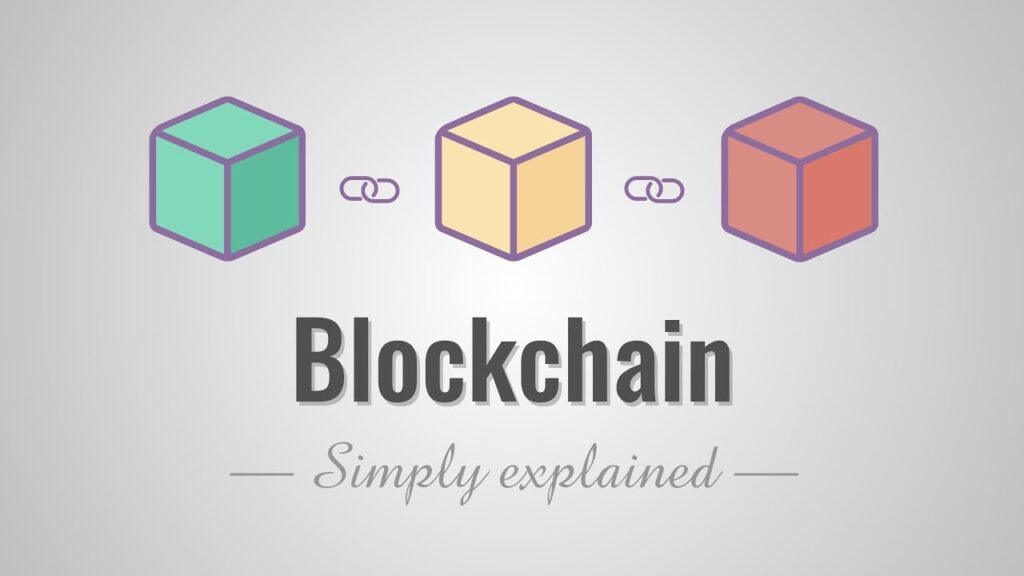
A blockchain is composed of a series of blocks, each containing a list of transactions. These blocks are linked together in chronological order, forming a chain. Each block contains a cryptographic hash of the previous block, a timestamp, and transaction data. This structure is what makes blockchain secure and resistant to data modification.
Decentralization
One of the key features of blockchain is its decentralized nature. Unlike traditional databases that are typically managed by a central authority, a blockchain network is maintained by a distributed group of nodes, each holding a copy of the entire blockchain. This decentralization reduces the risk of data manipulation and single points of failure, enhancing the security and reliability of the system.
How Does Blockchain Work?
To understand how blockchain operates, it’s essential to grasp the processes of transaction initiation, validation, and block formation.
Transaction Initiation
When a user wants to add a transaction to the blockchain, they initiate a request. This transaction request is broadcasted to the network of nodes. Each transaction includes details such as the sender, receiver, amount, and a digital signature for verification.
Transaction Validation
Nodes in the network validate the transaction using consensus mechanisms. The most common consensus protocols are Proof of Work (PoW) and Proof of Stake (PoS). In PoW, nodes solve complex mathematical puzzles to validate transactions, while in PoS, validators are chosen based on the number of coins they hold. These mechanisms ensure that only legitimate transactions are added to the blockchain.
Block Formation and Addition
Once a transaction is validated, it is grouped with other transactions to form a block. This block is then added to the existing blockchain, becoming a permanent part of the ledger. The addition of a block is accompanied by the generation of a unique cryptographic hash, which links it to the previous block, ensuring the chain’s integrity.
Key Features of Blockchain
The unique structure and operation of blockchain technology impart several key features that contribute to its appeal.
Immutability
Once a block is added to the blockchain, it cannot be altered or deleted. This immutability provides a reliable and tamper-proof record of all transactions, making blockchain an ideal solution for applications where data integrity is paramount.
Transparency
The decentralized nature of blockchain ensures that all participants have access to the same version of the ledger. This transparency allows for greater accountability and reduces the chances of fraudulent activities.
Security
Blockchain employs advanced cryptographic techniques to secure data, making it highly resistant to hacking and unauthorized access. The decentralized nature further enhances its security by eliminating single points of failure.
Applications of Blockchain
Blockchain’s versatility extends beyond its initial application in cryptocurrencies. Its unique features have enabled a wide range of applications across various industries.
Financial Services
Blockchain has revolutionized the financial sector by enabling faster, cheaper, and more secure transactions. It facilitates peer-to-peer payments, cross-border transactions, and smart contracts, reducing the need for intermediaries and enhancing efficiency.
Supply Chain Management
In supply chain management, blockchain provides end-to-end visibility, enabling real-time tracking of goods from origin to destination. This transparency enhances accountability, reduces fraud, and ensures the authenticity of products.
Healthcare
Blockchain’s secure and immutable nature makes it an ideal solution for storing and sharing medical records. Patients can have control over their data, while healthcare providers can access accurate and up-to-date information, improving patient care.
Voting Systems
Blockchain can enhance the integrity of voting systems by providing a transparent and tamper-proof record of votes. It ensures that each vote is counted accurately, reducing the chances of electoral fraud and enhancing trust in the democratic process.
Challenges and Limitations
Despite its potential, blockchain technology is not without its challenges and limitations.
Scalability
One of the primary challenges facing blockchain is scalability. As the number of transactions increases, the blockchain can become slow and inefficient. Solving this issue is crucial for blockchain to achieve widespread adoption.
Energy Consumption
The PoW consensus mechanism, used by several blockchain networks, is energy-intensive due to the computational power required to solve complex puzzles. This has raised concerns about the environmental impact of blockchain technology.
Regulatory Concerns
As blockchain disrupts traditional systems, it poses challenges for regulatory bodies. Finding a balance between innovation and regulation is essential to ensure the technology’s safe and ethical use.
The Future of Blockchain
Despite these challenges, the future of blockchain technology appears promising. Innovations such as layer 2 solutions, sharding, and the transition to PoS are being developed to address scalability and energy concerns. As these advancements progress, blockchain is likely to play a crucial role in shaping the digital landscape.
Conclusion
Blockchain technology represents a paradigm shift in how we manage and secure data. Its decentralized, transparent, and immutable nature holds the potential to transform various industries, from finance to healthcare. While challenges remain, continued innovation and collaboration will drive blockchain towards a future where it becomes an integral part of our daily lives. Understanding the mechanics of blockchain is the first step towards harnessing its full potential.